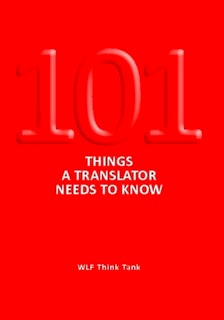
Perhaps the first thing you should do when you open your copy of 101 Things a Translator Needs to Know is skip to the final few pages and be awed by the credentials and careers of the colleagues that put it together. Eighteen contributors are listed, although apparently the WLF Think Tank behind the book includes more members. Once you discover who you’re dealing with, then you can turn back to the beginning with the realisation that this is a meatier tome than the simplistic cover and drawings might lead you to believe.
A review of Corinne McKay’s Beyond the Basics of Freelancing course by Elizabeth Garrison
Last May, I found myself in a position that many freelance translators will be familiar with: things were ticking over nicely with my freelance business, I was getting work from a handful of clients with whom I had long-standing relationships and I was generally satisfied with the way things were going. Then, after months of non-stop, back-to-back jobs, things suddenly went a bit quiet, forcing me to take a step back and reflect on the state of my business, which led to the realisation that I was actually stuck in a bit of a rut. I had reached a point where I was confident enough to stand firm with my rates, as well as being confident with the quality of my work and experience I had acquired, but was nevertheless failing to really move forward. At the same time, I was also feeling inspired after having attended workshops run by Judy Jenner and Chris Durban in the preceding nine months where they flew the flag for getting yourself out there and asserting yourself as a businessperson, although I also felt I was lacking the tools to put this confidence into practice and get myself out of the rut.
This post has been brewing for a while as it’s been four weeks since I flew back from Madrid after attending the METM14 conference organised by the association of Mediterranean Editors and Translators. Most of my busyness has revolved around work, routine family life and still trying to get the house we moved into at the end of July sorted in time for Christmas. But towards the end of October and beginning of November I was actually socially busy for a change.
First came a few days in a cottage in Kent to attend a 50th birthday party. Held in a house perched on top of a hill overlooking the Channel with the twinkling lights of France in the distance, we were kept warm outside by a couple of bonfires, dazzled by a firework display that could rival many a public one, and entertained by fire-eaters and magicians before sitting down to a wonderful chef-prepared meal served to us as if we were in a restaurant. The evening was then rounded off by a highly amusing and polished drag cabaret act.
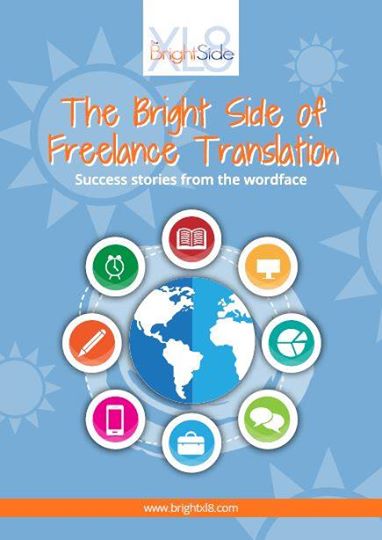
No puedo evitarlo, de verdad que no puedo: cada vez que alguien habla del bright side pienso en la canción de los Monty Python al final de La vida deBrian. Este bright side, sin embargo, no tiene nada que ver, no se trata de encontrarle la parte buena a una situación negativa. Trata de compartir las experiencias de compañeros que se han dado cuenta de que «las soluciones a los altibajos, las recompensas y los problemas de la vida de todo traductor autónomo están única y exclusivamente en sus manos, que se ponen manos a la obra, se niegan a quejarse y sacan su trabajo adelante».
Esta atrevida declaración, que para muchos describe un estilo de vida, también resume por qué este libro no ha sido bien recibido en todos los rincones de la esfera traductoril (sobre todo porque parece que muchos de quienes lo critican no leyeron más allá del primer párrafo de la introducción, donde aparece esta cita). No solo ha inspirado a Herman Boel para escribir una serie de entradas en su blog Alta Verba llamada The Reality of Our Profession (La realidad de nuestra profesión) también podría explicar por qué el nuevo eslogan de la conferencia de IAPTI que se celebrará en septiembre en Atenas es ahora «Ni nihilistas ni ingenuos».
Our view during the gala dinner on the second night
A chance remark on Facebook just over a year ago made Csaba Bán realise that his colleagues would quite like him to repeat his earlier conference-arranging success in Budapest. A few hours later BP14 was born; the following day the venue was booked; and the rest, as they say, is history.
In this case, however, BP does not primarily refer to the two settlements, Buda and Pest, flanking either side of the River Danube (which we sailed down whilst having dinner on the first evening of the conference) forming today’s vast city of Budapest. It actually stands for Business and Practice because the conference was held over two days, the first devoted to improving how we relate to clients and portray ourselves, and the second to perfecting our craft. That’s also why BP15, which is already in the pipeline, will not be held in Csaba’s hometown but in Zagreb instead.
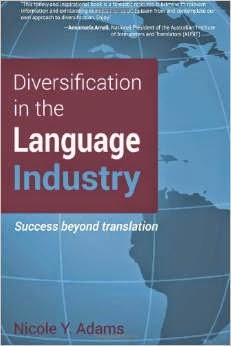
Para qué engañarnos: he de reconocer que la primera vez que oí hablar de este libro, lo que pensé fue «¿Y por qué hay que diversificar?». Al fin y al cabo, dejé de dar clases para traducir porque estar fuera varias horas diarias no era compatible con traducir a jornada completa, o al menos no para mí, y la verdad es que tampoco me gustaría verme obligada a dar clases a tiempo parcial. Dicho esto, entendería que os sorprendiera que me lo haya acabado comprando. ¿Por qué sentí la necesidad de leer un libro cuya contraportada anuncia que «servirá de inspiración a los traductores de hoy día y los preparará para el éxito más allá de latraducción»? La cursiva, por cierto, es suya.
I can’t help it, really I can’t, but every time someone mentions the “bright side” I think of that Monty Python song at the end of the Life of Brian. This “bright side” isn’t quite the same, however. It’s not about finding the positives in a negative situation. It’s about sharing the experiences of colleagues who have realised “that the solutions to the ups, downs, bounties and challenges of life as a freelance translator are in their hands, and their hands alone, who buckle down, refuse to whinge and get on with the job”.
This bold statement, which for many is their philosophy of life, also sums up why it has not been well received in all corners of the translation sphere (especially as it seems many critics didn’t get much beyond the first paragraph of the introduction, which this quote comes from). It has inspired Herman Boel to write a series on his blog Alta Verba called The Reality of Our Profession.
It might also explain why the new slogan for the IAPTI conference in Athens in September is now: “Neither nihilist nor naive”. Because obviously things happen that are totally beyond our control and change our circumstances. The recent recession springs to mind, and let’s not even get started on machine translation and the impact it has and will continue to have on various segments of our industry.
Honesty is the best policy, so I will admit that when I first heard of this book my reaction was firmly in the “why is diversification necessary” camp. After all, I gave up teaching to translate because heading off to classes for a few hours every day was not compatible with being available to translate for clients full-time, at least not as far as I was concerned. And I certainly wouldn’t want to go back to teaching part-time out of necessity. It might surprise you then that I bothered to buy it if that was how I felt. Why did I feel the need to read a book that announces on the back cover that it “will inspire today’s translators and set them up for success beyond translation” (their italics, not mine)?
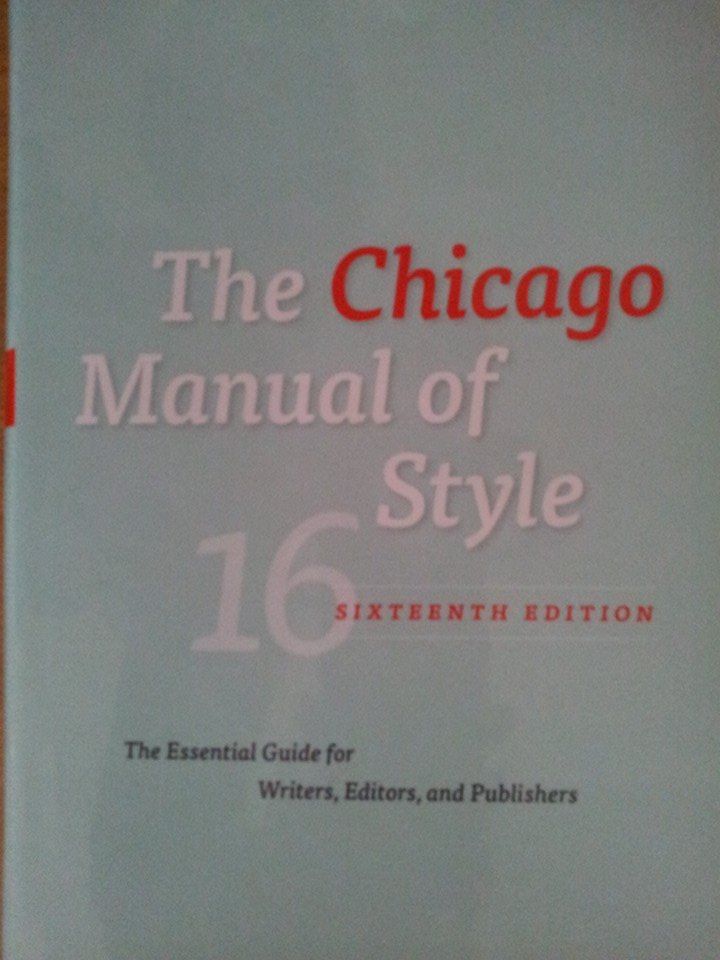
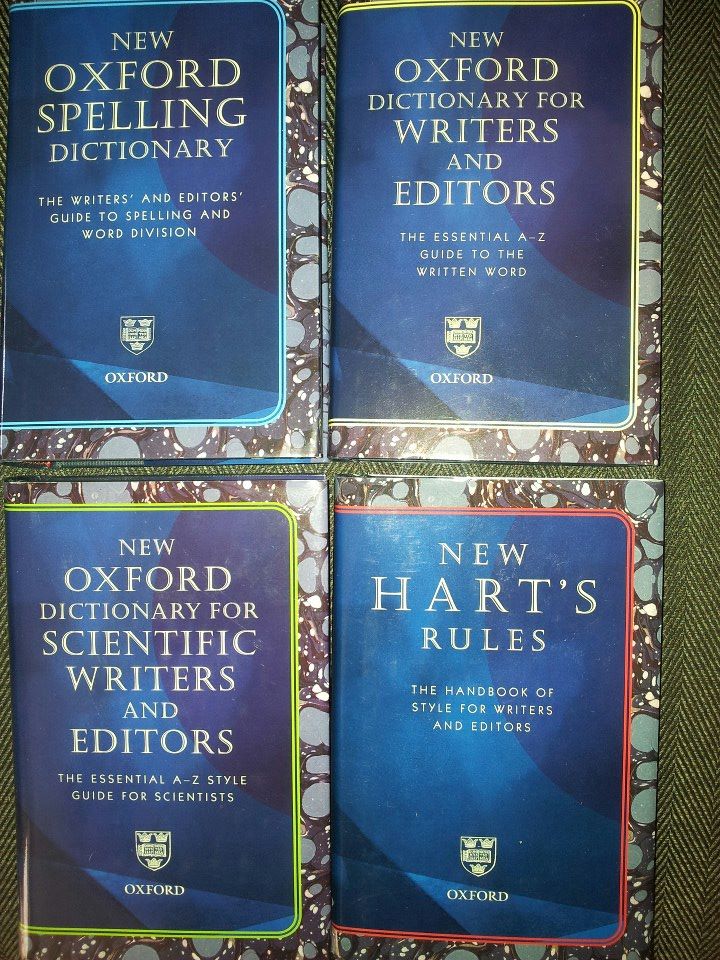
The Chicago Manual of Style is a much thicker tome than New Hart’s Rules, the guide I normally use for my translation and editing work as it refers to UK English. Chicago’s index is also far more comprehensive than the index in the UK book and it is relatively simple to use.
However, it is far easier to turn to the online version of Chicago to find specific answers to queries quickly, even if you cannot see the full text unless you subscribe ($39 per year). Although it is handy to have a print copy of the book, when the next edition is published I will probably opt for online access.
The problem with revising or reviewing other’s translations or original work in English is that you need to justify any changes you make. This is easy when there is a simple mistranslation, or another phrase sounds better because it is less clunky or more common in the context in question. But there are many other occasions when proclaiming that your version is preferable without an explanation just won’t cut it. That’s where a style guide might come in handy.

 Nikki Graham - Translation & Editing Services