Se ha hablado mucho últimamente del mercado de las traducciones premium y al por mayor, y también de si despotricar o quejarse de las malas condiciones que se encuentran en este último alguna vez servirá de algo cuando en realidad lo que todo el mundo debería hacer es seguir el ejemplo de los gurús, salir ahí afuera y hacerse con los mejores trabajos, cobrar una fortuna, ganar un salario de seis cifras, volar en primera. Porque entonces no habría nada de lo que quejarse, ¿no?
Correct me if I’m wrong, but the overriding factor causing translators to end their relationship with an agency is not being paid at all (no-brainer really, as continuing to work for a client that is not paying you—whatever their excuses and promises—just doesn’t make good business sense), and secondly being paid late. Fortunately, in all the years that I’ve been translating, I have seldom not been paid. A one-man band went bankrupt just after I completed a shortish job for him and I never saw a penny. Another agency didn’t pay me for all the words I’d translated as we disagreed on how many I’d actually done. However, I have received my money late more times than I care to remember, and I’ve stopped working for several agencies as a result, even some I had been collaborating with for years. “I was enjoying a wonderful holiday on the other side of the planet, so I couldn’t pay you in August, and now have no funds until my clients pay me” just doesn’t cut it.
The general advice regarding clients is that you should be actively seeking new ones all the time because you never know what’s around the corner. Not only should you be looking to replace clients already in your circles that you are not overly keen on working for, but you also need others to fall back on if you lose some. This post is going to focus on why an agency might stop working with a translator, although some of the reasons will hold true for direct clients as well.
‘Stop working for the bulk market and look for direct premium clients.’
I expect you’ve heard the above in some shape or form quite a lot in your translation career. If you attend conferences, or see the tweets generated at them, and regularly read blog posts, then rates and translation markets will definitely be on the agenda. You’ve no doubt felt yourself stirring to the rallying cry of seizing the moment and steeling yourself to boldly tread where you have not dared venture before now (in other words at the very least not letting others walk all over you).
Another quick list of ten spellings today as they are all one word. This might sound easy, but given that most of them are closed compound nouns (two words that have been put together to form a new term), the Microsoft spellchecker might not let you know that you should not have written them separately.
¿No os encanta cuando la agencia dice en el último correo de una cadena sobre un encargo, una vez que las condiciones están supuestamente cerradas: «Ah, por cierto, el cliente dice que esta traducción es extremadamente importante, así que te pido que le prestes especial atención»? Incluso cuando lo suavizan un poco añadiendo «Ya sabemos que siempre lo haces», es algo que me exaspera sobremanera.
There’s been a lot of talk recently about the bulk and premium market and whether ranting or complaining about the poor conditions found in the former will ever do any good, especially as what everyone should actually be doing is following the lead of the gurus, getting out there and grabbing the best jobs, charging a fortune, earning a six-figure salary and flying first class. Because then there wouldn’t be anything for them to complain about, now would there?
If only this were so easy or possible. The translation sector encompasses as many markets as there are language combinations and specialisms. How you fare or how much you might earn probably depends more on the market you operate in than where you live. It also depends on the subjects you have studied and your specialist knowledge, how good you are at translating and your personality; whether you have the drive, get-up-and-go and belief in yourself that will enable you to land direct clients and charge decent rates rather than relying on an agency to do that for you. So many factors are involved that it’s almost impossible to generalise. And it’s also impossible for anyone to know what it might be like for a colleague in a totally different situation to their own.
A quick easy list of ten spellings today as they are all two words (and, therefore, not hyphenated). Please remember that all the bite-sized tips entries are based on the New Oxford Style Manual so spellings may vary in other style guides.
Entre las agencias hay absolutamente de todo, desde grandes multinacionales que pagan a sus directores primas descomunales hasta agencias boutique que operan desde un dormitorio. Yo he trabajado para unas cuantas, la mayoría relativamente pequeñas con gestores de proyectos que suelen quedarse en ellas durante años. Esta situación es ideal para entablar buenas relaciones laborales para beneficio mutuo que por lo general funcionan bien sin mayores inconvenientes.
Pese a que las agencias para las que trabajo de forma habitual cumplen los requisitos suficientes como para que mi relación con ellas merezca la pena, otras dejan mucho que desear. Se me ocurren muchas cualidades que debería tener una buena agencia, pero he limitado la lista en esta entrada a las 20 que me parecen más importantes para que no resulte excesivamente larga. No dudéis en añadir otras en los comentarios si os parece que me he dejado alguna fundamental.
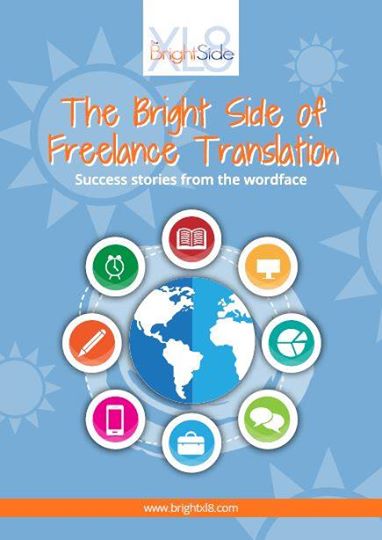
No puedo evitarlo, de verdad que no puedo: cada vez que alguien habla del bright side pienso en la canción de los Monty Python al final de La vida deBrian. Este bright side, sin embargo, no tiene nada que ver, no se trata de encontrarle la parte buena a una situación negativa. Trata de compartir las experiencias de compañeros que se han dado cuenta de que «las soluciones a los altibajos, las recompensas y los problemas de la vida de todo traductor autónomo están única y exclusivamente en sus manos, que se ponen manos a la obra, se niegan a quejarse y sacan su trabajo adelante».
Esta atrevida declaración, que para muchos describe un estilo de vida, también resume por qué este libro no ha sido bien recibido en todos los rincones de la esfera traductoril (sobre todo porque parece que muchos de quienes lo critican no leyeron más allá del primer párrafo de la introducción, donde aparece esta cita). No solo ha inspirado a Herman Boel para escribir una serie de entradas en su blog Alta Verba llamada The Reality of Our Profession (La realidad de nuestra profesión) también podría explicar por qué el nuevo eslogan de la conferencia de IAPTI que se celebrará en septiembre en Atenas es ahora «Ni nihilistas ni ingenuos».
 Se ha hablado mucho últimamente del mercado de las traducciones premium y al por mayor, y también de si despotricar o quejarse de las malas condiciones que se encuentran en este último alguna vez servirá de algo cuando en realidad lo que todo el mundo debería hacer es seguir el ejemplo de los gurús, salir ahí afuera y hacerse con los mejores trabajos, cobrar una fortuna, ganar un salario de seis cifras, volar en primera. Porque entonces no habría nada de lo que quejarse, ¿no?




 Nikki Graham - Translation & Editing Services