Today’s ten spellings are all hyphenated. Again, as far as possible, all the spellings are based on the New Oxford Style Manual and the OED. Don’t forget to check out the other posts on spellings and common mistakes in the bite-sized tips series.
Don’t you just love it when the agency says in the very last email of the exchange about a job, when the conditions are supposedly already done and dusted: “Oh, by the way, the client says this translation is extremely important so please make sure you pay special attention to doing it well.” Even when they sweeten this a little by adding “We know you always do”, it still exasperates me no end.
Our view during the gala dinner on the second night
A chance remark on Facebook just over a year ago made Csaba Bán realise that his colleagues would quite like him to repeat his earlier conference-arranging success in Budapest. A few hours later BP14 was born; the following day the venue was booked; and the rest, as they say, is history.
In this case, however, BP does not primarily refer to the two settlements, Buda and Pest, flanking either side of the River Danube (which we sailed down whilst having dinner on the first evening of the conference) forming today’s vast city of Budapest. It actually stands for Business and Practice because the conference was held over two days, the first devoted to improving how we relate to clients and portray ourselves, and the second to perfecting our craft. That’s also why BP15, which is already in the pipeline, will not be held in Csaba’s hometown but in Zagreb instead.
The more I do these bite-sized tips, the more I realise how desperately illogical English can be sometimes. I wonder how many of these spellings will still be valid a few years down the line. In the meantime, for the pedants among us, here’s another list of ten, which includes some more UK and US differences.
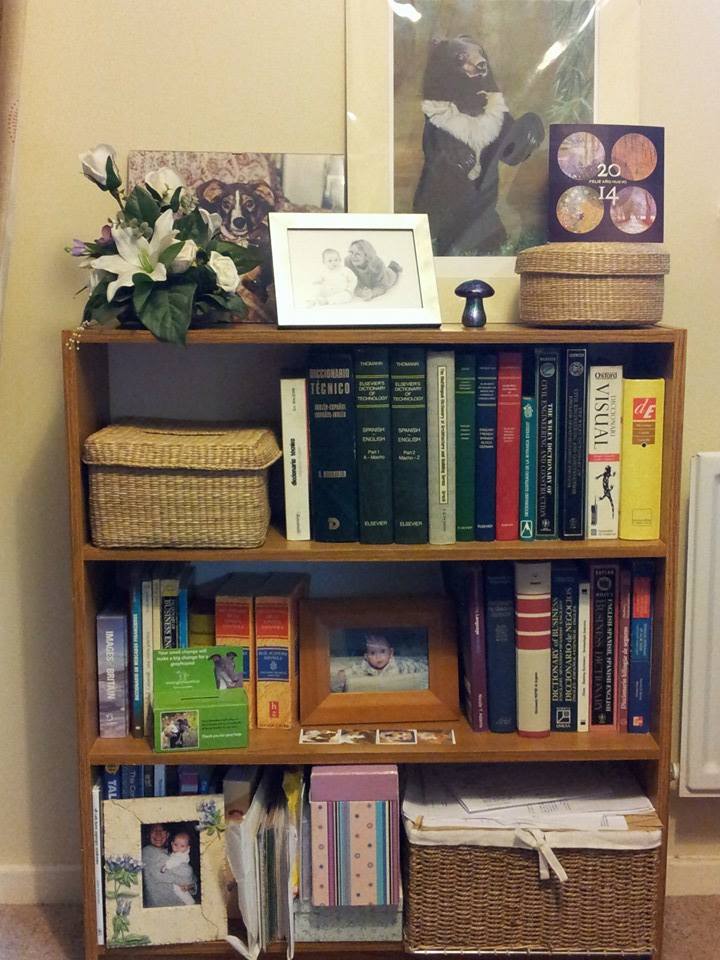
Una reciente encuesta en Proz.com se centraba en si los traductores compran las últimas ediciones de los diccionarios que utilizan cuando se publican. Esto rápidamente se convirtió en un debate sobre por qué molestarse en utilizar diccionarios en papel ahora que absolutamente todo está disponible online, e incluso se planteaba si los traductores profesionales necesitan o no diccionarios. Mientras estemos dentro de nuestra zona de confort (la cual, en teoría, no deberíamos abandonar nunca), no tendría por qué haber necesidad alguna de consultar nada…
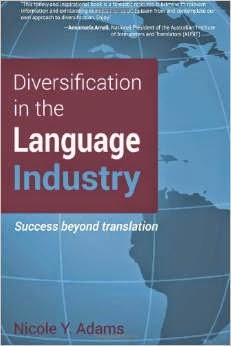
Para qué engañarnos: he de reconocer que la primera vez que oí hablar de este libro, lo que pensé fue «¿Y por qué hay que diversificar?». Al fin y al cabo, dejé de dar clases para traducir porque estar fuera varias horas diarias no era compatible con traducir a jornada completa, o al menos no para mí, y la verdad es que tampoco me gustaría verme obligada a dar clases a tiempo parcial. Dicho esto, entendería que os sorprendiera que me lo haya acabado comprando. ¿Por qué sentí la necesidad de leer un libro cuya contraportada anuncia que «servirá de inspiración a los traductores de hoy día y los preparará para el éxito más allá de latraducción»? La cursiva, por cierto, es suya.
I can’t help it, really I can’t, but every time someone mentions the “bright side” I think of that Monty Python song at the end of the Life of Brian. This “bright side” isn’t quite the same, however. It’s not about finding the positives in a negative situation. It’s about sharing the experiences of colleagues who have realised “that the solutions to the ups, downs, bounties and challenges of life as a freelance translator are in their hands, and their hands alone, who buckle down, refuse to whinge and get on with the job”.
This bold statement, which for many is their philosophy of life, also sums up why it has not been well received in all corners of the translation sphere (especially as it seems many critics didn’t get much beyond the first paragraph of the introduction, which this quote comes from). It has inspired Herman Boel to write a series on his blog Alta Verba called The Reality of Our Profession.
It might also explain why the new slogan for the IAPTI conference in Athens in September is now: “Neither nihilist nor naive”. Because obviously things happen that are totally beyond our control and change our circumstances. The recent recession springs to mind, and let’s not even get started on machine translation and the impact it has and will continue to have on various segments of our industry.
Common Mistakes in Papers for Publication Part 2 – Data is or Data are?
This second instalment of common mistakes I encounter when revising and editing texts that have been written by non-native speakers of English kicks off with “data”. Should it be followed by a singular or a plural verb? I’ll base my response to this on the New Oxford Style Manual, as this is the style guide I use for my work, but I’ll also check The Chicago Manual of Style to see if it differs.
Agencies come in all shapes, sizes and guises, from huge international companies that can pay their directors overlarge bonuses to boutique organisations run out of a bedroom, and everything in-between. I’ve translated for a fair few in my time, most of them relatively small with PMs who tend to stick around for a number of years. This type of set-up is perfect for building good working relationships for mutual benefit, which can then trundle along quite happily without any major hiccups.
Whilst the ones I work for on a regular basis tick enough of the boxes to make the translation journey with them worthwhile, others leave much to be desired. I can think of many qualities a good agency should have, but I have limited the list in this post to the 20 that matter the most to me so that it doesn’t get overly long. Please let me know in the comments if you think I’ve left anything important out.
 Today’s ten spellings are all hyphenated. Again, as far as possible, all the spellings are based on the New Oxford Style Manual and the OED. Don’t forget to check out the other posts on spellings and common mistakes in the bite-sized tips series.





 Nikki Graham - Translation & Editing Services